The Science, How Green Papyrus Works

Green Papyrus: Where Science and Ancient Tradition Meet.
Green Papyrus is 100% powdered Melokia leaves, grown in the Nile Valley and exported directly from Egypt. Known for millennia as an Egyptian superfood, it is now being studied by researchers in laboratories around the world. In another post, we will share some of molokhia’s stored past. But for now, here’s what the science says:
How Green Papyrus Works in the Body: An Overview
Green Papyrus’s Molokhia (Corchorus olitorius) appears to act mainly through its mucilaginous polysaccharides, phenolic antioxidants, and minerals, which together influence gut microbiota, inflammation, metabolic health, and liver function in pre‐clinical models.
1. Mucilage Polysaccharides and the Gut
Molokhia leaves are unusually rich in mucilaginous polysaccharides, especially rhamnogalacturonan‐I–type pectic fibres. These large, gel‐forming carbohydrates are poorly digested in the small intestine and instead become food for beneficial gut bacteria in the colon.[pubmed.ncbi.nlm.nih +2]
• An in‐vitro study of a molokhia polysaccharide fraction (often called MPF) showed clear prebiotic activity, increasing the growth of Lactobacillus and Bifidobacterium strains and boosting short‐chain fatty acid (SCFA) production.[sciencedirect]
• In high‐fat‐diet mice, a rhamnogalacturonan‐I–rich molokhia polysaccharide (MPF4) reduced body weight, triglycerides, LDL cholesterol, and adipocyte size, while improving tight‐junction protein expression and decreasing gut permeability and inflammatory markers.[sciencedirect +1]
• MPF4 also shifted gut microbiota composition, lowering the Firmicutes:Bacteroidetes ratio and increasing Akkermansia, a genus linked with better metabolic and barrier function.[ouci.dntb +2]
Together, these findings suggest molokhia’s mucilage acts as a microbiota‐modulating, barrier‐strengthening prebiotic that can help reduce low‐grade inflammation and metabolic endotoxemia.
2. Anti‐inflammatory and Antioxidant Actions
Green Papyrus’s molokhia leaves contain phenolic acids (such as chlorogenic acid), flavonoids (including quercetin and isorhamnetin), and carotenoids, alongside vitamins C and E. These compounds give the plant strong antioxidant and anti‐inflammatory properties in experimental systems.[pmc.ncbi.nlm.nih +2]
• Ethanolic molokhia extracts show high free‐radical scavenging activity in DPPH assays, reflecting a high phenolic and flavonoid content.[pmc.ncbi.nlm.nih]• In cell and animal models, molokhia extracts reduce pro‐inflammatory mediators and are reported to have anti‐inflammatory and immunomodulatory effects.[sciencedirect +2]
• A recent pharmacological review concludes that molokhia exhibits antioxidant, anti‐inflammatory, hepatoprotective, and anti‐obesity activities across multiple pre‐clinical studies.[nature +1]
Mechanistically, these antioxidants help neutralize reactive oxygen species and may down‐regulate inflammatory signalling pathways that contribute to obesity, insulin resistance, joint inflammation, and organ damage.[frontiersin +2]
3. Gut– Metabolism Axis: Obesity, Dysbiosis, and Glucose
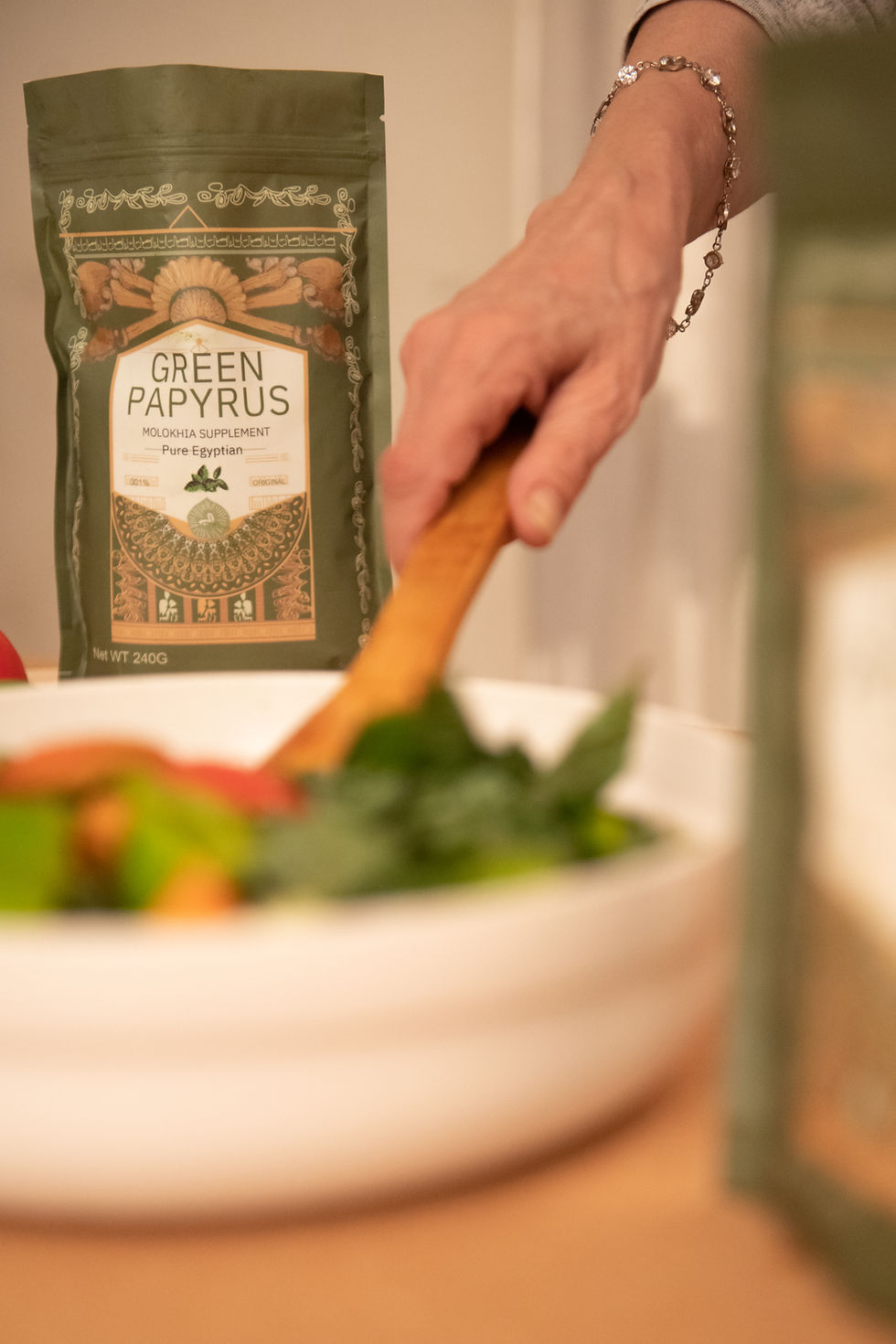
Several animal studies connect molokhia to improvements in obesity and metabolic markers through the gut–metabolism axis.
• A water‐soluble molokhia leaf extract (WM) in high‐fat‐diet mice reduced body weight, gut permeability, and hepatic lipid accumulation, while decreasing colonic inflammation and metabolic endotoxemia. WM also increased Lactobacillus and decreased Desulfovibrio, indicating healthier microbiota.[pubmed.ncbi.nlm.nih +1]
• The MPF4 polysaccharide fraction mentioned above produced similar benefits, with improved lipid profile and gut barrier function, and microbiota changes consistent with reduced dysbiosis.[pubmed.ncbi.nlm.nih +1]
• Other nutraceutical studies report that molokhia leaf powder in high‐fat‐diet rats lowers body weight, total cholesterol, triglycerides, and LDL, while increasing beneficial bacteria such as Lactobacillus in the gut.[ouci.dntb +1]
In pre‐clinical diabetes models, molokhia extracts have shown anti‐hyperglycaemic and anti‐inflammatory effects, improving glycaemic control and inflammatory markers in rodent models of obesity and type 2 diabetes. In vitro, molokhia leaf powder can slow starch digestion and glucose diffusion and enhance peripheral glucose uptake, suggesting a physical and enzymatic influence on carbohydrate handling.[frontiersin +2]
4. Liver Protection via the Gut–Liver Axis
Molokhia may also help protect the liver, again with the gut playing a central role.
• In an alcoholic liver disease model, a water‐soluble molokhia leaf extract (WM) reduced liver‐injury markers, hepatic inflammation, and lipogenic protein levels in mice. WM partially restored alcohol‐disrupted gut microbiota, improved tight‐junction protein expression, and reduced gut permeability, supporting a gut–liver axis mechanism.[pmc.ncbi.nlm.nih +1]
• Other animal studies show molokhia can mitigate liver damage from organophosphate pesticides and acrylamide, normalizing liver enzymes, oxidative‐stress markers (like malondialdehyde and glutathione), and antioxidant enzymes.[pmc.ncbi.nlm.nih]
This data supports molokhia as a hepatoprotective functional food, likely acting through both direct antioxidant effects and indirect microbiota‐mediated improvements in barrier integrity and systemic inflammation.[sciencedirect +2]
5. Uric Acid and Gout‐related Mechanisms
Some experimental work suggests molokhia may influence pathways relevant to uric acid and gout.
• A study on Malaysian medicinal plants reported that molokhia extracts had xanthine oxidase–inhibiting and anti‐gout potential in animal models, indicating a possible ability to reduce uric‐acid formation.[pmc.ncbi.nlm.nih]
• At the same time, its antioxidant and anti‐inflammatory properties, along with improvements in metabolic risk factors (weight, lipids, glucose), address processes that are often abnormal in people with gout.[arthritis +3]This does not mean molokhia replaces standard urate‐lowering therapy, but it supports the idea that molokhia can be a dietary adjunct targeting upstream metabolic and inflammatory drivers of hyperuricaemia.
6. Other Reported Activities
Pre‐clinical studies also report several additional bioactivities:
• Antimicrobial: different solvent extracts of molokhia leaves show antibacterial and antifungal activity in vitro, with some extracts inhibiting Staphylococcus aureus, Bacillus subtilis, and certain fungi.[pmc.ncbi.nlm.nih]
• Gastroprotective: ethanolic molokhia extracts protect against ethanol‐induced gastric ulcers in rats, improving histology and oxidative‐stress markers.[pmc.ncbi.nlm.nih]
• Anticancer: aqueous and organic extracts have shown antiproliferative and pro‐apoptotic effects against colon cancer cell lines, and newer work suggests broader antiproliferative potential, although this remains early‐stage.[nature +1]
• Anticoagulant: molokhia leaf polysaccharides can prolong activated partial thromboplastin time (APTT) in vitro, indicating heparin‐like anticoagulant activity at certain concentrations.[pmc.ncbi.nlm.nih]

These findings reinforce the picture of Green Papyrus’s molokhia as a bioactive plant with multiple overlapping mechanisms, many of them linked back to its polysaccharides, phenolics, and antioxidant capacity.
Author, Year | Aims and Objectives | Methodology | Results and Findings |
Hye Bin Lee, 2020 | To show how gut dysbiosis is brought on by a high-fat diet (HFD), and it is intimately related to metabolic illnesses, such as leaky gut and obesity | To see the effects of molokhia extracts on the lipid accumulation in 3T3-L1 adipocytes as well as body weight, gut permeability, hormone levels, intestinal microflora fecal enzyme activity, and gut microbiota in C57BL/6J | Molokhia Water soluble extract (WM) can reduce obesity and intestinal dysbiosis. |
mice when given a high-fat diet (HFD). | |||
Hussain, 2017 | Phytochemical examination and antioxidant capacity of Corchorus olitorius leaf extracts | Phytochemical analysis using the DPPH radical elimination assay and assessing the total active element concentration and antioxidant activity of the ethanolic leaf extracts. | Ethanolic extracts had a high concentration of phytochemical components, had greater antioxidant properties than liquid and petroleum-based ether extracts |
F. Ahmed, 2021 | To study the hypoglycemic properties of Molokhia leaves. | Determination of whether molokhia leaf powder (MLP) could affect glucose transport and the breakdown of starch in vitro. | The antidiabetic action of molokhia leaves is mediated by postponing the breakdown of starch and increasing glucose absorption in peripheral organs |
Hanaa S. M., 2015 | Investigate Molokhia leaves for their in vivo antigout action and their in vitro xanthine oxidation inhibitor (XOI) properties | Measurement of the absorbance spectrophotometrically at 295 nm, connected to the generation of uric acid, which has been linked to gout and the degree of XO inhibitory activity was ascertained. Additional in-vivo research was conducted on gout in rats that were produced by potassium oxonate. | Ethanolic extracts exhibited more activity compared to the aqueous extracts. In vivo assays confirmed that extracts of molokhia offer some gout protection |
S. Ilhan, 2016 | Description of antibacterial activity of three extracts of Corchorus olitorius L. (Molokhia) (Tiliaceae), obtained from different places. | Evaluation of antibacterial and antifungal properties of successive petroleum ether, methanol, and ethyl acetate+water extracts of C. olitorius leaves (in vitro) using the agar-well migration experiment. | Observation of antibacterial abilities of C. olitorius leaves, as well as their potential utility in the management of illnesses that may be caused by infections. |
R. A. Batran, 2013 | To assess the gastroprotective activity of an ethanolic extract of C. olitorius against | Oral pretreatment followed by killing of mice, assessing for stomach ulcers, and gauge enzyme activity using | The gastroprotective effect of an ethanolic C. olitorius extract against ethanol-induced |
ethanol-induced stomach ulcers in mature Sprague Dawley rats | immunohistochemistry and histology | gastric mucosal hemorrhagic lesions in rats was documented in this work | |
Adel A. Gomma, 2018 | To examine the effectiveness of orlistat and Corchorus olitorius (C. olitorius) leaf extract in preventing metabolic syndrome in rats when fed with a high-fat diet (HFD) | Demonstrations of body weight, biochemical data, and histological analysis | In conclusion, when it comes to avoiding obesity, hyperlipidemia, steatosis, and insulin resistance, Corchorus olitorius is beneficial. |
Khalifah, 2021 | To check the effects Corchorus Olitorius L. to protect rats from hepatic injury induced by hepatic injuries | Dosing with three levels of extract (100, 250, and 500 mg/kg) for 21 days, hepatic damage markers including blood total protein, total bilirubin, ALT, AST, and ALP; oxidative stress markers included MDA, GSH, CAT, and SOD. | The extract from molokhia leaves, which is rich in alkaloids, phenolics, and flavonoids has good radical scavenging and anti-lipoperoxidative capabilities and protects against acrylamide-induced liver damage |
A.A. Hoshi, 2023 | Investigation of the bacterial counts and physiological traits of grill intestines | Feeding of broilers with powdered Corchorus olitorius dried leaf powder for varying amounts of time. | Adding powdered dried Molokhia leaves to the treatment increased the amount of Lactobacillus beneficial bacteria significantly (P < 0.05) when contrasted with the placebo treatment. The quantity of pathogenic bacteria, E. coli, for the control treatment to therapies increased after every period |
Z. Azza 2016 | To check Molokhia's ability to shield rats against the hepatotoxic effects of organophosphorus pesticides | Four weeks of 20 ppm concentration administration to check totalprotein, glutathione content (GSH), albumin, glutathione-S-transferase (GST), aspartate, aminotransferase(AST) alanine aminotransferase, and alkaline phosphatase (ALP) | Hepatotoxic effects and the protective properties of molokhia as a possible protective agent were established. |
Hye Bin Lee, 2022 | Determine the role of molokhia in diet-induced obesity and dysbiosis of the gut. | In-vivo investigation to determine how the molokhia leaf polysaccharide fraction (MPF) affected the obesity and gut dysbiosis that was brought on by a high-fat diet (HFD) in mice | Results show that via altering the gut microbiota, rhamnogalacturonan- I rich MPF reduces obesity in mice fed a high-fat diet |
M.H. DO, 2021 | Examination of the protective effects of a water-soluble extract from the leaves of molokhia (Corchorus olitorius L.) (WM) on the disruption of the gut-liver axis caused by alcohol in mice. | In-vivo studies to analyze liver injuries and hepatic inflammation along with lipogenic protein levels | WM can be used as a dietary supplement to lessen the effects of alcohol on liver damage |
Sumengen Ozdenefe, 2018 | To ascertain the antimicrobial (antibacterial and antifungal) activity of the Corchorus olitorius (C. olitorius) leaf extracts | The disc diffusion method was used to assess the antibacterial activity following drying and evaporation with solvents. | Hexane leaf extracts were the only ones that showed antimicrobial action against S. aureus and B. subtilis. The methanol, ethanol, and chloroform extracts of the C. olitorius leaf were found to have no antibacterial activity. C. olitorius leaves can be used to treat infections in humans |
Mohamed Ghellam et al. 2022 | To identify the primary chemical and physical properties of molokhia leaves | Examine the kinetics and primary chemical and physical effects: microwave drying (MID), convective drying (COD), and shade drying (SHD). | Phenolic chemicals, flavonoids, and pigments called chlorophylls are all present in good amounts in molokhia leaves and the parameters were successfully analyzed. |
A.A. Helaly, 2021 | Assess the genetic diversity between four Egyptian molokhia (Corchorus olitorius L.) genotypes | Using five randomly amplified polymorphic DNA markers that revealed 288 scoreable bands. Genetic diversity and relationships were assessed. | The findings point to a significant promise for the RAPD technique as a reliable genetic method for identifying individual genotypes. |
G. Soyku, 2021 | To ascertain the in vitro anticancer and apoptotic-inducing effects of aqueous Corchorus olitorius L. leaf extracts and dichloromethane (DCM) on colon adenocarcinoma cell lines that are primary (Colo-320) and metastatic (Colo-741). | MTT test to examine the cytotoxicity and proliferation of the cells at five different extract concentrations. Using antibodies against caspase-3, cytochrome-c, and FasLigand (FasL), the apoptotic activities of Corchorus olitorius L. were examined by immunocytochemistry. Both cell lines' DNA fragmentation was found using the TUNEL test | Extracts may have potential anticancer effects and may be used as a precursor to phytomedicinal gastrointestinal cancer treatment rather than chemotherapy. |
M.S. Eskander, 2018 | To determine the anticoagulant properties of Molokhia leaves | Polysaccharide was extracted from the leaves of (Molokhia) Jew’s-mallow by hot-water extraction using trichloro acetic acid (TCA) to remove protein from the polysaccharide, precipitation with ethanol, and obtained a polysaccharide yield from 4.2% based on wet weight | A higher polysaccharide concentration of 100 μg/ml resulted in a longer time and an increase in blood coagulation time. When compared to heparin, the time did not appear to be any more effective at lengthening the |
source followed by phytochemical studies | coagulation time at any concentration | ||
K. Mokgalboni, 2023 | To comprehend how this Molokhia-based treatment benefits glycemic, lipid, inflammatory, and oxidative stress biomarker levels. | - | Emphasizing the possible advantages of C. olitorius on fundamental metabolic parameters, lipid profile, inflammation, and oxidative stress. |
Azma Radwan, 2016 | To assess the impact of Corchorus olitorius (Molokhia) soup on the oral absorption of ciprofloxacin from solid dosage forms in rabbits, | Rabbits were given a single 125 mg dosage of ciprofloxacin tablets either with Molokhia soup or while they were fasting. The quantities of ciprofloxacin in plasma were determined using high-performance liquid chromatography. | Co-administration of ciprofloxacin and molokhia soup may therefore harm the drug's release and oral absorption. This could lead to a significant reduction in the antibiotic's effectiveness as well as the possibility of bacterial resistance. |
R. Nakaziba, 2022 | This study examined the phytochemical composition, acute toxicity, and antihyperglycemic and antidiabetic properties of Corchorus olitorius L. leaf extracts in methanolic, diethyl ether, and aqueous forms. | To investigate the antihyperglycemic and antidiabetic effects, 48 rats were split into 8 groups of six, and each group was given 500 mg/kg of extract. As controls, glibenclamide at a dose of 10 mg/kg and distilled water were employed. Version 8.0.2 (263) of Prism GraphPad was used to analyze the data. | Extracts from Corchorus olitorius L. showed modest antidiabetic and antihyperglycemic effects. The greatest level of antihyperglycemic action was demonstrated by the methanolic extract |
A.S. Mahmoud, 2016 | To identify the methyl esters that make up the fatty acid composition of Corchorus olitorius | accurate mass gas chromatography quadrupole time of flight mass spectrometry (GCQTOF) in chemical ionization (CI) and electron ionization (EI) modes | The edible portion of the plant, the leaves, has been discovered to contain a high concentration of ω3-octadecatriene fatty acid, accounting for |
almost 49% of the total fatty acid content |
References:
Abd El-Rahman, H. S., & Abd–Elhak, N. A. (2015). Xanthine oxidase inhibitory activity and antigout of celery leek parsley and molokhia. Adv Biochem, 3(4), 40-50.
Adegoke A, Adebayo-Tayo B. Phytochemical composition and antimicrobial effects of Corchorous olitorius leaf extracts on four bacterial isolates. J Med Plants Res 2009; 3: 155-9.
Ahmadi S , Nagpal R , Wang SH , Gagliano J , Kitzman DW , Soleimanian-Zad S , et al. Prebiotics from acorn and sago prevent high-fat-diet-induced in- sulin resistance via microbiome-gut-brain axis modulation. J Nutr Biochem 2019;67:1–13 .
Ahmed, F. (2021). In vitro hypoglycemic effects of molokhia leaves (Corchorus olitorius L.). Pharmacognosy Magazine, 17(Suppl 2), S246-S250.
Al Batran, R., Al‐Bayaty, F., Ameen Abdulla, M., Jamil Al‐Obaidi, M. M., Hajrezaei, M., Hassandarvish, P., ... & Talaee, S. (2013). Gastroprotective effects of C orchorus olitorius leaf extract against ethanol‐induced gastric mucosal hemorrhagic lesions in rats. Journal of Gastroenterology and Hepatology, 28(8), 1321-1329.
Al-Khalifah, A. I. A., & Ahmed, F. (2021). Corchorus olitorius L. Leaf Extract Protects Rats from Acrylamide-Induced Hepatic Injury. Current Research in Nutrition and Food Science Journal, 9(3), 833-840.
Al-Yousef HM, Amina M, Ahamad SR. Comparative study on the chemical composition of Corchorus olitoriusl leaf and stem dry oils. Biomed Res India. 2017;28(10):4581–7.
Azuma K, et al. Phenolic antioxidants from the leaves of Corchorus olitorius L. J Agric Food Chem. 1999;47(10):3963–6. https:// doi. org/ 10. 1021/ jf990 347p.
Azza Zohair. Protective effects on Molokhia (Corchorus olitorius L.) on Malathon-Induced Hepatotoxicity in Rats J. Agri Sci. Mansoura Univ., 31(9): 5509-5819
Barku, V.Y.A.; A. Boye and N. Quansah. 2013. Antioxidant and wound healing studies on the extracts of Corchorus olitorius leaf. World Essays J. 1:67-73.cardiac glycosides, triterpenoids, ionones, flavonoids, coumarins, steroids and some other compounds. J. Sci. Ind. Res. 2006; 65: 283–98.
Chen TS, Saad S. Folic acid in Egyptian vegetables: The effect of drying method and storage on the folacin content of mulukhiyah (Corchorus olitorius). Ecol Food Nutr. 1981;10(4):249–55. https:// doi. org/ 10. 1080/ 03670 244. 1981. 99906 46
Do, M. H., Lee, H. H. L., Kim, Y., Lee, H. B., Lee, E., Park, J. H., & Park, H. Y. (2021). Corchorus olitorius L. ameliorates alcoholic liver disease by regulating gut-liveraxis. Journal of Functional Foods, 85, 104648.
Eskander, M. Z. (2018). Extraction of polysaccharides from the leaves of jews-mallow Corchorus olitorius L. and their potential anticoagulant activity. Basrah J Vet Res, 17(1), 277e90.
Farah W, Nazaratulmawarina R, Fatimah C. The in vitro antibacterial activity of Corchorus olitorius extracts. Int. J. Pharmacol. 2006; 2: 213–15.
15. Fawusi, M. O. A. (1983). Quality and compositional changes in Corchorus olitorius as influenced by N fertilization and post-harvest handling. Scientia Horticulturae, 21(1), 1-7.
16. Furumoto T, Wang R, Okazaki K et al. Antitumor promoters in leaves of Jute (Corchorus capsularis and Corchorus olitorius).
Ghellam, M., Fatena, B., & Koca, İ. (2022). Physical and chemical characterization of Corchorus olitorius leaves dried by different drying techniques. Discover Food, 2(1), 14.
Gomaa, A. A., El-Sers, D. A., Al-Zokeim, N. I., & Gomaa, M. A. (2019). Amelioration of experimental metabolic syndrome induced in rats by orlistat and Corchorus olitorius leaf extract; role of adipo/cytokines. Journal of Pharmacy and Pharmacology, 71(2), 281-291.
Hassan, A.Z.; M.K. Mekhael; A.G. Hanna; A. Simon; G. Tóth and H. Duddeck. 2019. Phytochemical investigation of Corchorus olitorius and Corchorus capsularis (Family Tiliaceae) that grow in Egypt. Egypt Pharmaceut. J. 18:123-34
Helaly, A. A., Mady, E., Omar, G., & Craker, L. E. (2021). Identification of four molokhia (Corchorus olitorius L.) genotypes by molecular markers. Journal of Plant Production, 12(9), 999-1005.
Hoshi, A. A., & Al-Shamire, J. S. Effect of adding two levels of dried Molokhia (Corchorus Olitorius L.) leaves to the diet on some physiological characteristics and bacterial numbers in the intestines of broilers.
Hussien, N. M., Labib, S. E., El-Massry, R. A., & Hefnawy, H. T. M. (2017). Phytochemical studies and antioxidant activity of leaves extracts of Corchorus olitorius L.(molokhia). Zagazig Journal of Agricultural Research, 44(6), 2231-2239.
Ilhan, S., SAVAROĞLU, F., & ÇOLAK, F. (2007). Antibacterial and Antifungal Activity of Corchorus olitorius L.(Molokhia) Extracts. International Journal of Natural & Engineering Sciences, 1(3).
24. Islam, M.M., 2013. Biochemistry, medicinal and food values of jute (Corchorus capsularis L. and C. olitorius L.) leaf: a review. Int. J. Enhanced Res. Sci. Technol. Eng., 2(11), 135-44.
Khan M, Bano S, Javed K, Mueed MA. A comprehensive review on the chemistry and pharmacology of Corchorus species-A source of spinosum). World Rev. Nutr. Diet. 2003; 91: 1–21.
Lee, H. B., Oh, M. J., Do, M. H., Kim, Y., Choi, I., Kim, Y. S., & Park, H. Y. (2022). Dietary rhamnogalacturonan-I rich extracts of molokhia ameliorate high fat diet-induced obesity and gut dysbiosis. The Journal of Nutritional Biochemistry, 103, 108954.
Lee, H.B.; M.J. Oh; M.H. Do; Y.S. Kim and H.Y.Park, 2020. Molokhia leaf extract prevents gut inflammation and obesity. Journal of Ethnopharmacology, 257, 1-10. p112866.
Li XF , Guo J , Ji KL , Zhang P . Bamboo shoot fiber prevents obesity in mice by modulating the gut microbiota. Sci Rep 2016;6:32953 .
Lv HQ , Hu CF , Xie ZJ , Wang P , Chen XZ , Wen CP . Purification, characteriza- tion and anti-tumor activity of a pectic-type polysaccharide isolated from Ficus pandurata H. Int J Biol Macromol 2020;153:201–6 .
Mahmoud, A. S., Thao, N., & Mario, A. (2016). Corchorus Olitorius Linn: a rich source of Ω3-fatty acids. Pharmaceutica analytica acta, 7(6).
Mokgalaboni, K., & Phoswa, W. N. (2023). Corchorus olitorius extract exhibit anti-hyperglycemic and anti-inflammatory properties in rodent models of obesity and diabetes mellitus. Frontiers in nutrition, 10, 1099880.
Mokhtar S, Morsy N. Effect of hot air drying variables on phytochemicals and antioxidant capacity of Jew’s mallow (Corchorus olitorius L.) leaves. Suez Canal Univ J Food Sci. 2014;2(1):1–8.
Morsy NE, Rayan AM, Youssef KM. Physico chemical properties, antioxidant activity, phytochemicals and sensory evaluation of rice-based extrudates containing dried Corchorus olitorius L. leaves. J Food Process Technol. 2015;6(1):1. https:// doi. org/ 10. 4172/ 2157- 7110. 10004 08.
Mutuli GP, Mbuge D. Effect of drying on the nutritional and organoleptic characteristics of African leafy vegetables, jute mallow (Corchorus olitorius L.) and cowpea (Vigna unguiculata). J Biosyst Eng. 2018;43(3):211–8. https:// doi. org/ 10. 5307/ JBE. 2018. 43.3. 211.
Nakaziba, R., Lubega, A., Ogwal-Okeng, J., & Alele, P. E. (2022). Phytochemical Analysis, Acute Toxicity, as well as Antihyperglycemic and Antidiabetic Activities of Corchorus olitorius L. Leaf Extracts. The Scientific World Journal, 2022.
Nie CZP , Zhu PL , Ma SP , Wang MC , Hu YD . Purification, characterization and immunomodulatory activity of polysaccharides from stem lettuce. Carbohydr Polym 2018;188:236–42
Oboh G, Akindahunsi A. Change in the ascorbic acid, total phenol and antioxidant activity of sun-dried commonly consumed green leafy vegetables in Nigeria. Nutr Health. 2004;18(1):29–36. https:// doi. org/ 10. 1177/ 02601 06004 01800 103.
Oboh, G.; A.O. Ademiluyi; A.J. Akinyemi; T. Henle; J.A. Saliu and U. Schwarzenbolz. 2012. Inhibitory effect of polyphenol-rich extracts of jute leaf (Corchorus olitorius) on key enzyme linked to type 2 diabetes (α-amylase and α-glucosidase) and hypertension (angiotensin I converting) in vitro. Journal of Functional Foods, 4(2), 450-458.
Ohtani K, Okai K, Yamashita U, Yuasa I, Misaki A. Characterization of an acidic polysaccharide isolated from the leaves of Corchorus olitorius (Moroheiya). Biosci Biotechnol Biochem 1995;59:378‐81.
Özdenefe, M. S., Muhammed, A., Süer, K., Güler, E., Aysun, H., & Takcı, M. (2018). Determination of antimicrobial activity of Corchorus olitorius leaf extracts. Cyprus Journal of Medical Sciences, 3, 159-164.
Pal DK, Mandal M, Senthilkumar GP, Padhiari A. Antibacterial activity of Cuscuta reflexa stem and Corchorus olitorius seed. Fitoterapia 2006; 77: 589–91.
Radwan, A., Shraim, N., Elaraj, J., Jada'a, M., Alheen, A., Khanfar, Y., ... & Abdaldaym, M. (2016). Influence of Corchorus Olitorius (Molokhia) soup on the in vivo absorption of ciprofloxacin from immediate release tablet in rabbits. Palestinian Medical and Pharmaceutical Journal, 1(1), 1.
Sellami M, Ghariani B, Louati H, Miled N, Gargouri Y. Biological Activities of Extracts of Different Spices and Plants. Int J Curr Eng Technol 2013; 3: 1051-60.
Soykut, G., Becer, E., Calis, I., Yucecan, S., & Vatansever, S. (2018). Apoptotic effects of Corchorus olitorius L. leaf extracts in colon adenocarcinoma cell lines. Prog. Nutr, 20(4), 689-98.
Tindall H. Vegetables in the Tropics. Hound mills, Basingstoke, Hampshire: The Macmillan press Ltd., 1993; 553.
Wang L , Li C , Huang Q , Fu X . Polysaccharide from Rosa roxburghii Tratt Fruit Attenuates hyperglycemia and hyperlipidemia and regulates colon microbiota in diabetic db/db Mice. J Agric Food Chem 2020;68:147–59 .
Wang, L.; M.Yamasaki; T. Katsube; X.Sun; Y. Yamasaki and K. Shiwaku. 2011. Antiobesity effect of polyphenolic compounds from molokheiya (Corchorus olitorius L) leaves in LDL receptor-deficient mice. Eur. J. Nutr. 50:127-133.
Yakoub ARB, et al. Flavonoids, phenols, antioxidant, and antimicrobial activities in various extracts from Tossa jute leave (Corchorus olitorus L.). Indus Crops Prod. 2018;118:206–13. https:// doi. org/ 10. 1016/j. indcr op. 2018. 03. 047.
Yan Y,Y.; YW Wang; SL Chen; SR Zhuang and CK Wang. 2013. Anti-inflammatory effects of phenolic crude extracts from five fractions of Corchorus olitorius L. Food Chem., 138:1008–1014
Zakaria ZA, Sulaiman MR, Jais AM et al. The antinociceptive activity of Muntingia calabura aqueous extract and the involvement
Zeghichi S, Kallithraka S, Simopoulos AP. Nutritional composition of molokhia (Corchorus olitorius) and stamnagathi (Cichorium
Zeid AHSA. Stress metabolites from Corchorus olitorius L. leaves in response to certain stress agents. Food Chem. 2002; 76: 187–95.


Comments